
Water Temperature Machine: The Ultimate Guide for Industrial Process Temperature Control
Introduction
In industrial manufacturing, precise temperature control is non-negotiable for product quality, production efficiency, and cost reduction. A water temperature machine (water-based mold temperature controller) is a core thermal management device that uses water as the heat transfer medium to achieve accurate, stable, and energy-efficient heating/cooling for molds, reactors, and industrial equipment. Widely applied in injection molding, new energy batteries, chemical processing, pharmaceuticals, and composite materials, it addresses critical pain points like temperature fluctuations, low efficiency, and high maintenance costs. This guide covers working principles, key benefits, selection criteria, applications, maintenance, and FAQs—optimized for Google SEO with high-intent keywords.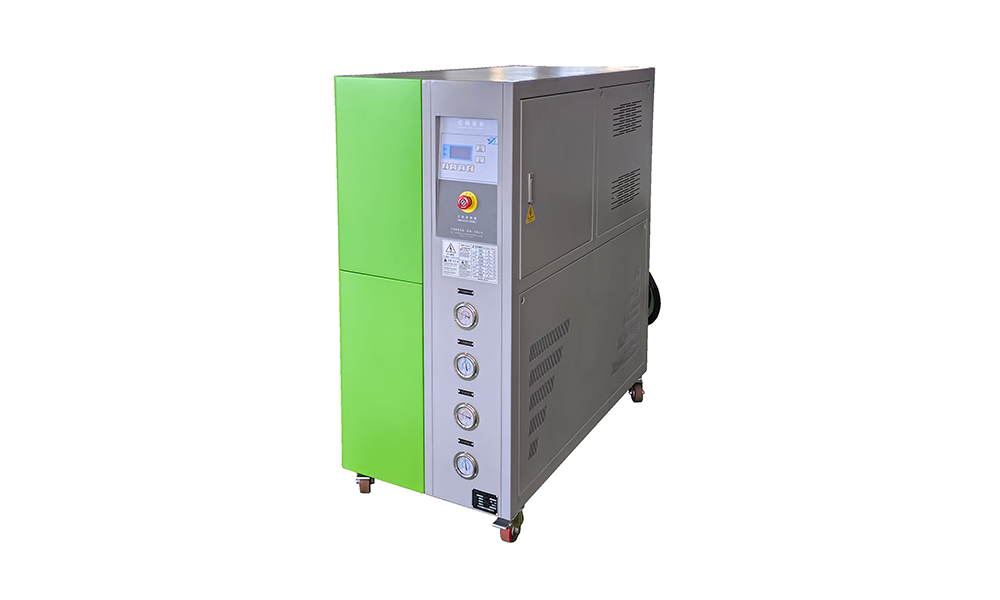
What Is a Water Temperature Machine?
A water temperature machine (water heater/chiller for industrial temperature control) is a closed-loop circulation system that heats or cools water and maintains it at a precise setpoint (typically 35°C to 180°C). Unlike oil-based heaters (oil temperature machines), it uses water’s high specific heat capacity (4.18 kJ/kg·K) for faster heat transfer, eco-friendliness, and lower operational costs. Core synonyms for SEO: water-based mold temperature controller, hot water circulation heater, industrial water thermostat, high-temperature water temperature machine (120°C/180°C).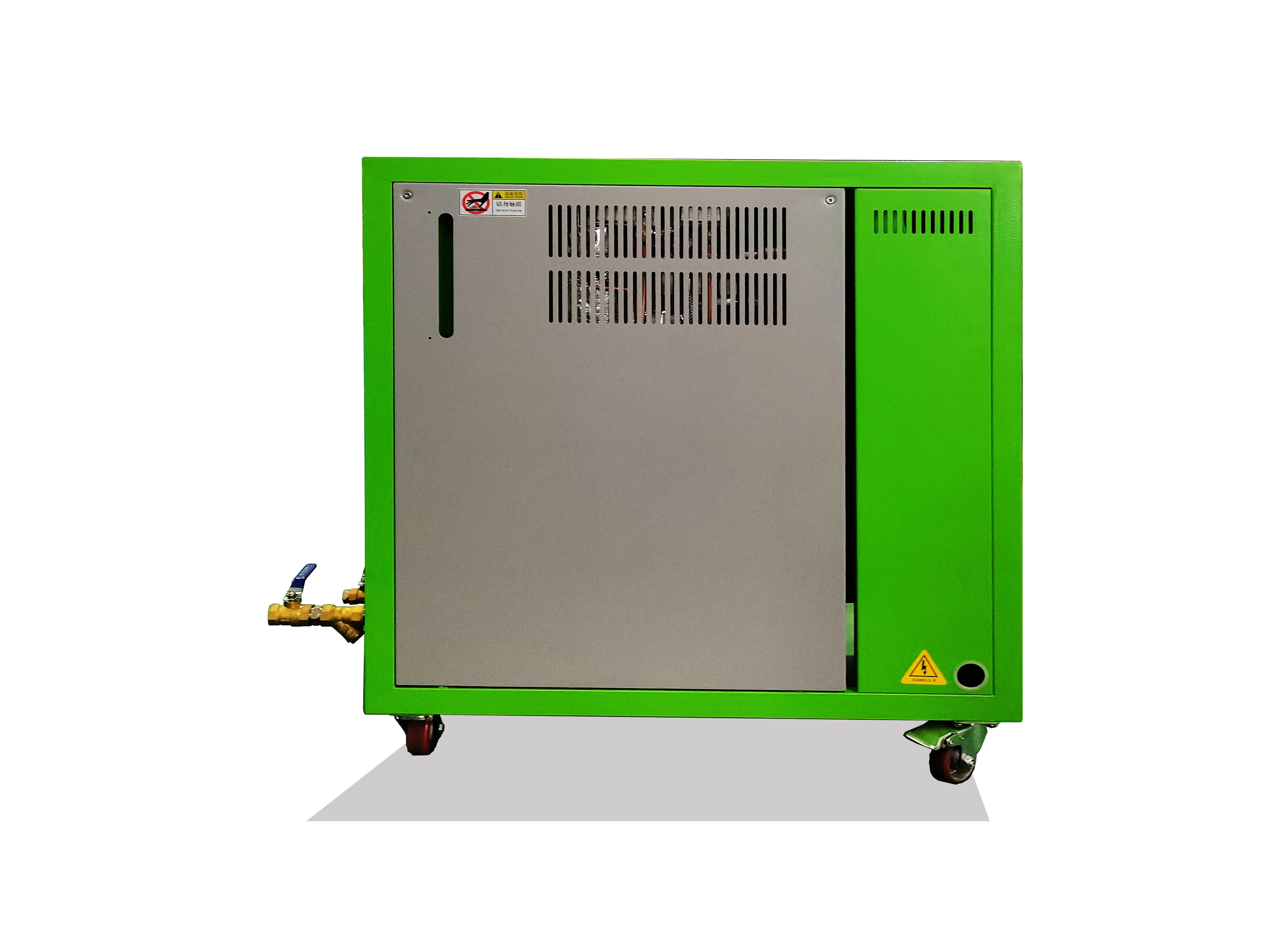
How Does a Water Temperature Machine Work?
The system operates via closed-loop circulation + PID intelligent control for real-time temperature regulation:
- Water Circulation: A high-pressure pump circulates water through the heater/chiller and target equipment (mold/reactor).
- Temperature Sensing: High-precision sensors (±0.1°C accuracy) monitor water temperature and feed data to the controller.
- PID Control Algorithm: The controller adjusts heating/cooling output to maintain the set temperature, minimizing fluctuations (±0.5°C).
- Heating/Cooling: Electric heaters raise water temperature; a cooling coil (connected to a chiller) lowers it for rapid cooling.
- Safety Protection: Built-in safeguards (anti-dry burning, over-temperature alarm, pressure relief, automatic exhaust) ensure stable operation.Key Benefits of Water Temperature Machines