
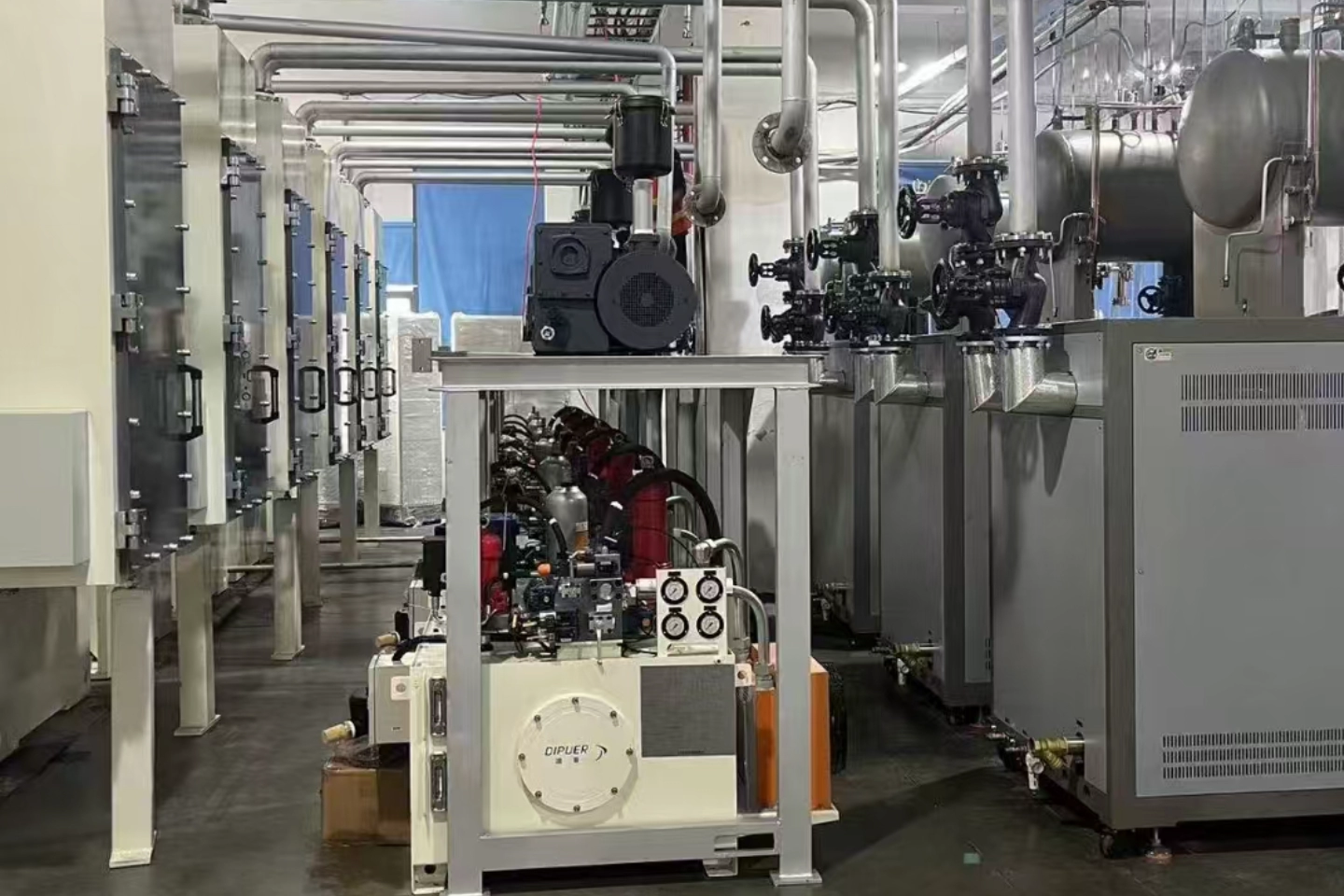
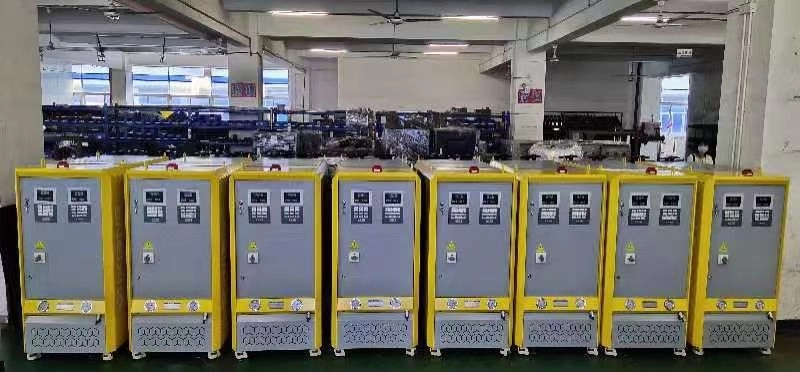
 1. Heating Power and Temperature Range (Matching Die Casting Material) Heating power determines the heating speed of the oil temperature machine and the ability to adapt to the mold size. The selection of power should be calculated according to the formula: power = (mold heat capacity × temperature difference) / (heating time × 860 × efficiency). For large molds (>1000kg), the power needs to be 80-120kW. Too small power will lead to slow mold preheating, affecting production efficiency; too large power will cause energy waste and increase operating costs. The temperature range should be determined according to the die casting material: zinc alloy die casting can choose models with an upper limit of 200℃; aluminum alloy die casting needs models with an upper limit of 300℃; magnesium alloy die casting needs high-temperature models with an upper limit of 350℃-400℃. It is recommended to leave a 10-20% margin for performance parameters to ensure the stability and service life of the equipment under high-load operationsuperscript:4superscript:5>. 2. Temperature Control Precision and Uniformity Temperature control precision and uniformity are directly related to the quality of die casting parts. The uneven mold temperature will lead to defects such as air holes, shrinkage holes and cracks in castings. For aluminum alloy and magnesium alloy die casting, it is necessary to choose an oil temperature machine with a temperature control precision of ±0.5℃-±1℃. The oil temperature machine using digital display and PID intelligent adjustment technology has better temperature control performance, which can realize real-time monitoring and adjustment of mold temperature. For complex molds and precision die casting scenarios, it is recommended to choose models with multi-zone independent temperature control function, which can realize precise temperature control of different parts of the mold and ensure the uniformity of mold temperature. Some high-end models are also integrated with infrared thermal imaging online monitoring, which can real-time correct the temperature curve and further improve the temperature control accuracysuperscript:4superscript:7>. 3. Circulation Mode and Pump Performance The circulation mode of the die casting-specific oil temperature machine is mainly mechanical circulation, which can realize uniform heating of heat transfer oil and reduce local high temperature of the mold, which is suitable for large-scale die casting production. The performance of the circulating pump is the key to ensuring the uniform temperature of the mold. It is recommended to choose an imported magnetic pump, which has a zero-leakage static seal structure and can solve the problem of "running, emitting, dripping and leaking" of high-temperature media. The flow rate and lift of the circulating pump need to be matched with the mold pipeline. The fluid in the mold pipeline needs to reach more than 2 meters per second to ensure efficient heat exchange. Sufficient lift can overcome the resistance of the pipeline system. Users should inform the manufacturer of the mold pipeline length, caliber and other conditions to select a suitable pump. In addition, the pipeline design should adopt integral forming technology to reduce pipeline resistance and pressure losssuperscript:5>.
 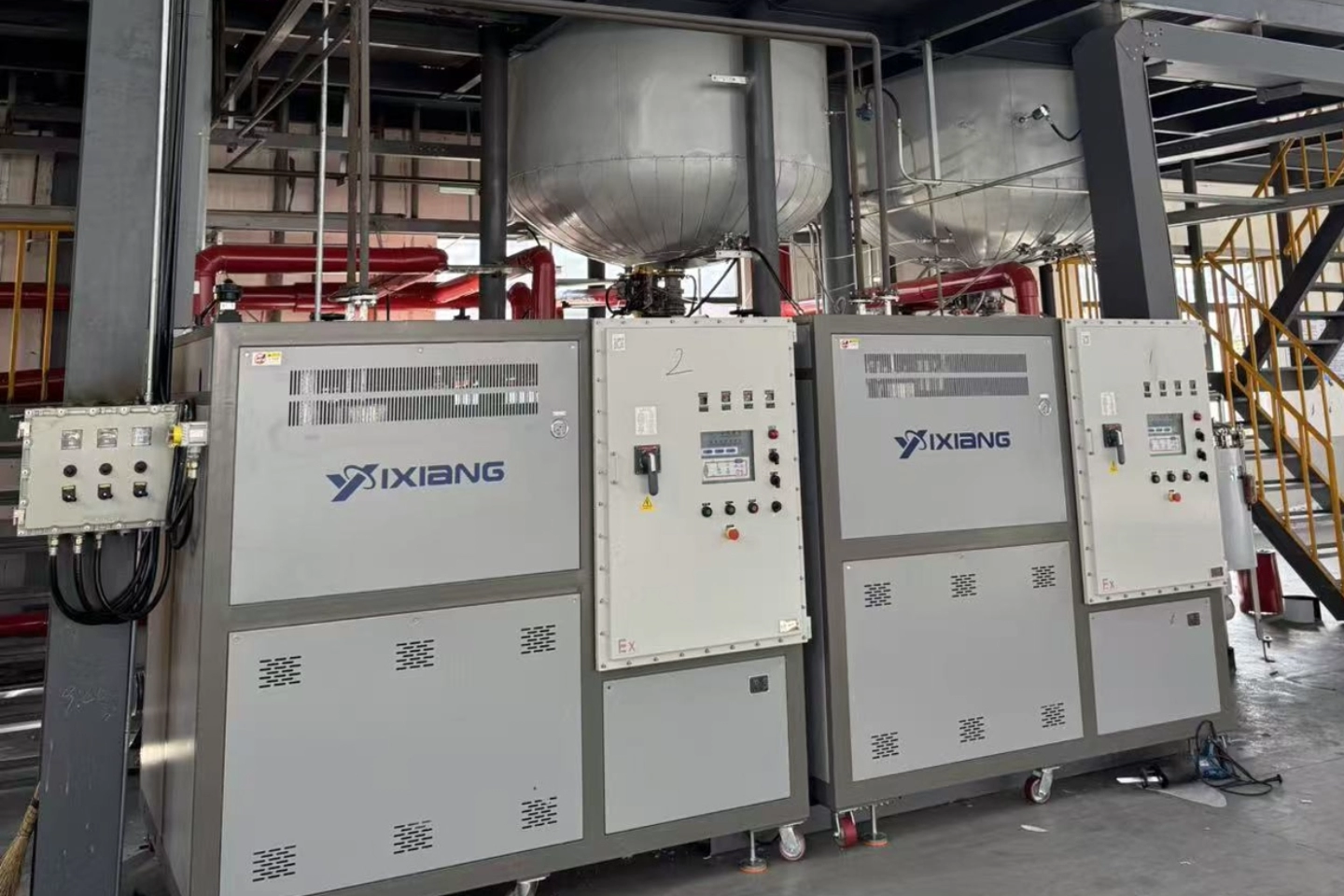 4. Material, Structural Design and Safety Performance The die casting-specific oil temperature machine works in a high-temperature, high-load environment for a long time, so the material must be high-temperature resistant and corrosion resistant. The commonly used stainless steel material is not only durable but also easy to clean. The heating tube should be specially treated for the frequent high and low temperature conversion of die casting to extend its service life. The structural design should be reasonable, which is convenient for maintenance and cleaning, and can reduce the downtime and operation and maintenance costs of the equipment. In terms of safety performance, it is necessary to choose models with complete safety protection mechanisms. For magnesium alloy die casting, explosion-proof electric heaters (ATEX certification) and dual pressure protection systems must be selected to ensure production safety. In addition, models with residual heat recovery system can be selected, which can use the waste heat of mold cooling for preheating process, and the comprehensive energy saving rate can reach 25%-30%superscript:4superscript:5>. 5. Intelligent and Compatible Performance With the development of intelligent die casting, the intelligent level of the oil temperature machine is also an important factor to consider. It is recommended to choose models with touch screen operation, PLC integration and remote monitoring functions, which can realize intelligent adjustment of temperature parameters and remote fault diagnosis. The equipment should have RS485, MODBUS and other communication interfaces, which can be seamlessly connected with the die casting island MES system to realize the intelligent management of the production line. Some high-end models are also embedded with AI fault diagnosis modules, which can real-time monitor hidden dangers such as pump wear and pipeline blockage, and extend the maintenance cycle by 30%.