
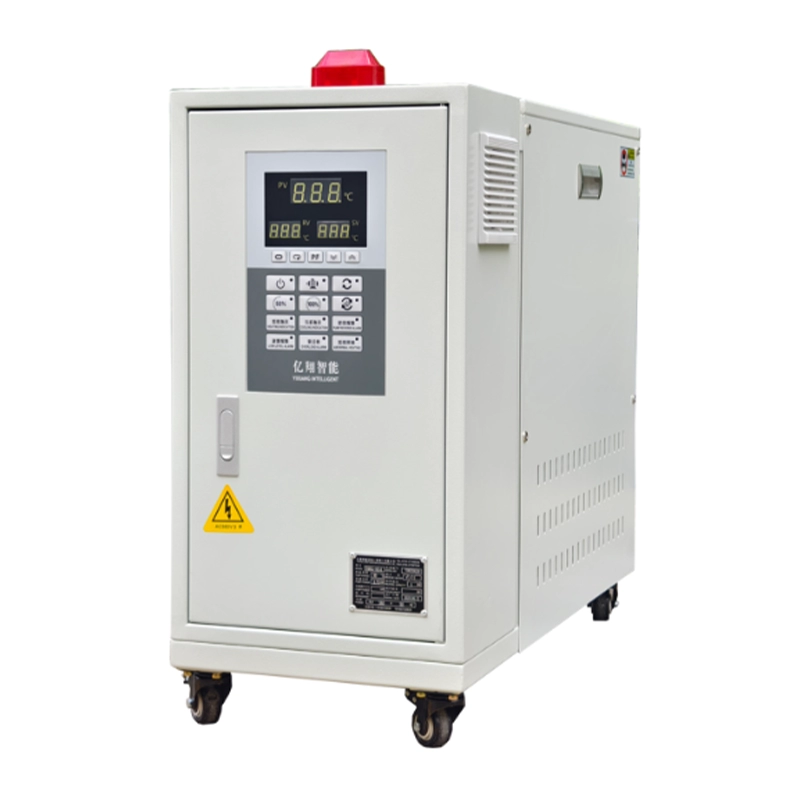
Product description
Meta Description: Discover the ultimate guide to mold temperature controllers (MTC), including how they work, key benefits, types (water-cooled, oil-cooled), industry applications, and how to choose the right one. Boost production quality, reduce defects, and cut costs with professional mold temperature control solutions in 2026.
In the competitive world of manufacturing, precision and consistency are the keys to standing out—whether you’re in die casting, injection molding, or composite material production. A mold temperature controller (MTC), often overlooked but indispensable, is the backbone of achieving stable, high-quality outputs and optimizing production efficiency. This comprehensive guide breaks down everything you need to know about mold temperature controllers, from their working principles and core benefits to the different types available, real-world applications, and expert tips for choosing the perfect unit for your factory’s needs.
A mold temperature controller is a precision industrial device designed to maintain a constant, optimal temperature in molds during manufacturing processes. By circulating a heat transfer medium—typically water or thermal oil—through internal channels in the mold, MTCs ensure that the mold remains within a precise temperature range throughout every production cycle. This stability eliminates temperature fluctuations that often lead to costly defects, inconsistent product quality, and extended production times.
The working principle of a mold temperature controller revolves around a closed-loop system that combines heating, cooling, circulation, and real-time feedback adjustment. Here’s a step-by-step breakdown of how it operates: First, the system’s electric heating elements warm the heat transfer medium (water for low to medium temperatures, oil for high-temperature applications) to the desired setpoint. A powerful pump then circulates this heated medium through the mold’s internal channels, ensuring uniform temperature distribution across the entire mold surface. Temperature sensors (such as thermocouples) continuously monitor the actual mold temperature and send data back to the digital controller. Using an advanced PID (Proportional-Integral-Derivative) algorithm, the controller compares the actual temperature to the setpoint and makes real-time adjustments—either increasing heating or activating a cooling loop—to maintain stability, even when production loads fluctuate.
The benefits of integrating a mold temperature controller into your production line are far-reaching, directly impacting your bottom line and product quality. One of the most significant advantages is a dramatic reduction in production defects: temperature fluctuations often cause issues like cold shuts, shrinkage, porosity, surface warping, and incomplete filling—all of which lead to scrap and rework costs. By maintaining stable mold temperatures, MTCs minimize these defects, boosting product yield and reducing waste. For example, an automotive supplier reduced its defect rate from 12% to less than 2% after integrating a closed-loop oil-based mold temperature controller into its transmission housing casting process, while also improving production efficiency by 15%.
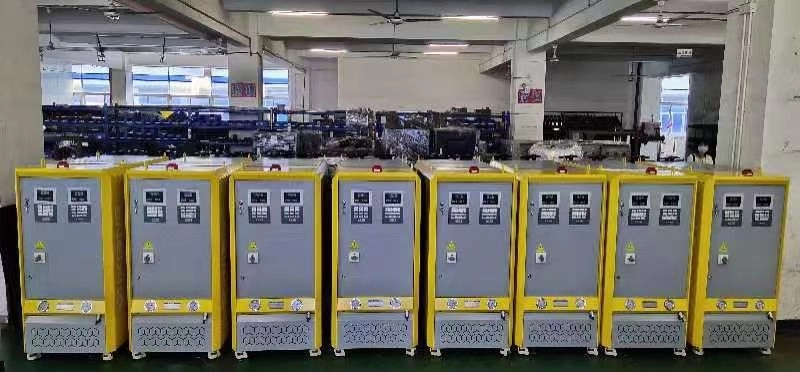
Another key benefit is improved production efficiency. Stable mold temperatures shorten heating and cooling cycles, allowing for faster production runs—critical for high-volume manufacturing. Additionally, consistent temperature control reduces thermal shock to molds, extending their lifespan and lowering maintenance costs associated with mold repair and replacement. Modern mold temperature controllers also offer energy-saving features, such as adjustable heating power and smart temperature regulation, which help cut energy consumption without compromising performance.
There are several types of mold temperature controllers, each designed to meet specific industry needs and temperature requirements. The most common types include water-cooled, oil-cooled, air-cooled, and integrated temperature control systems:
- Water-Cooled Mold Temperature Controllers: Ideal for medium to low-temperature applications (up to 180°C), these systems use water as the heat transfer medium, offering high thermal conductivity and low cost. They are widely used in zinc alloy and magnesium alloy die casting, as well as injection molding of standard thermoplastics like ABS and PP.
- Oil-Cooled Mold Temperature Controllers: Designed for high-temperature applications (up to 350°C), these systems use thermal oil as the medium, which has a high specific heat capacity and provides uniform heating. They are perfect for copper alloy die casting, high-performance engineering plastics (such as PEEK and PPS), and large or complex molds that require precise thermal balance.
- Air-Cooled Mold Temperature Controllers: A cost-effective option for simple molds or auxiliary cooling, these systems use forced air convection to regulate temperature. While less efficient than water or oil-cooled systems, they are suitable for small molds or parts that tolerate minor temperature fluctuations.
- Integrated Temperature Control Systems: These advanced systems combine mold temperature control with other functions, such as water purification, chilling, and high-pressure cooling. They often include multi-zone control for complex molds and smart features like remote monitoring and data logging, making them ideal for precision industries like automotive and aerospace.
Mold temperature controllers are widely used across various industries where precision and consistency are critical. In die casting, they are essential for regulating mold temperatures in aluminum, zinc, and magnesium casting, ensuring uniform solidification and reducing defects. In injection molding, they control the temperature of molds for plastics and rubber parts, improving surface finish and dimensional stability. The automotive industry relies on MTCs to produce complex engine components and transmission housings with tight tolerances, while the aerospace industry uses them for precision parts manufacturing. They are also used in food processing, wood processing, and composite material production, highlighting their versatility.
Choosing the right mold temperature controller is crucial to maximizing its benefits. When selecting a unit, consider key specifications such as maximum temperature range, temperature stability (aim for ±0.2°C to ±0.5°C for high-quality applications), heater power, pump capacity, and PID control capabilities
You Might Also Like
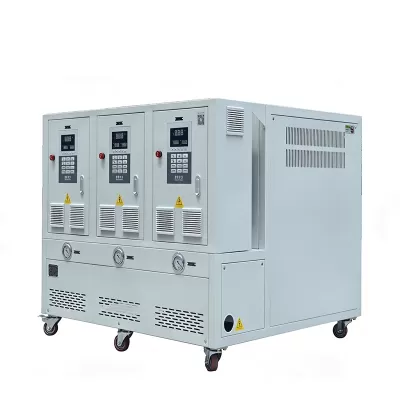
YWMJT-10CL-18-120℃ آلة قياس درجة حرارة الماء ثلاثية الوظائف
آلة قياس درجة حرارة الماء ثلاثية الأبعاد بدرجة حرارة 120°C، بتصميم ثلاثي متوازي، مناسبة للإنتاج...
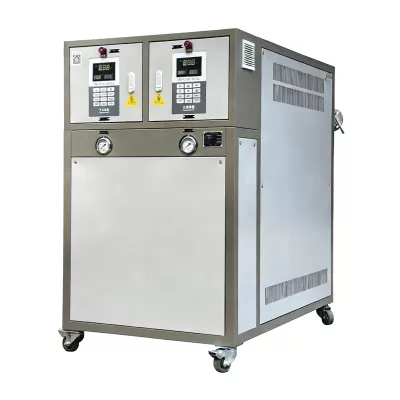
آلة قياس درجة حرارة الماء المدمجة ذات وحدتين YWMJD-40CL-18T-120℃
جهاز تحكم في درجة حرارة الماء بقدرة 120 درجة مئوية مع تصميم مزدوج للآلات، مما...
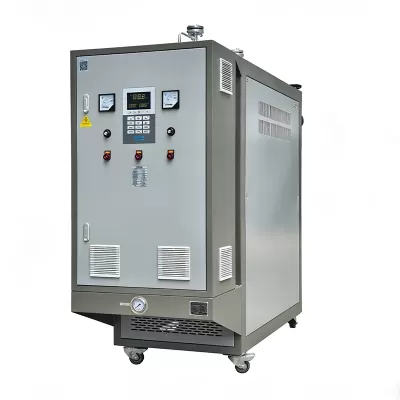
YOTB-150-300-300℃ جهاز تحكم في درجة حرارة الزيت عالي القدرة
جهاز تحكم في درجة حرارة القالب بتدوير الزيت مخصص عالي القدرة، تحكم ذكي، يدعم المراقبة...
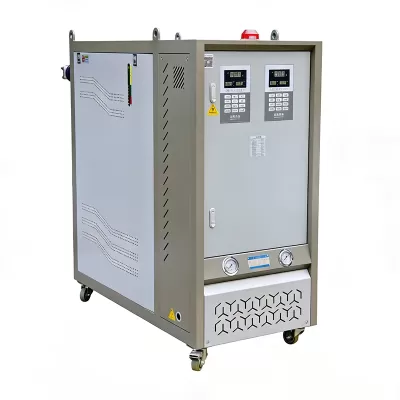
YODD-1130S-320℃ جهاز تحكم في درجة حرارة الزيت ذو حلقتين مزدوجتين
جهاز تحكم في درجة حرارة الزيت بنظام حلقتين، مناسب لعملية الصب بالقالب عند درجات حرارة...
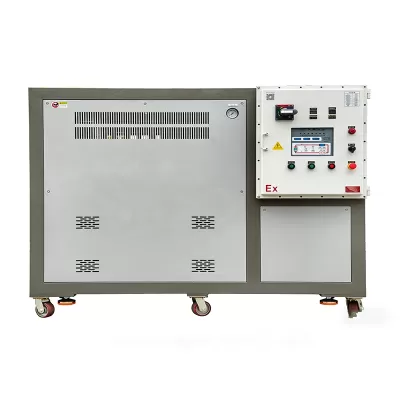
آلة ضبط درجة الحرارة المضادة للانفجار YOTB-50FB-36-400℃
تصميم مضاد للانفجار متعدد المستويات، خالي من الشرر، نظام قفل أمان
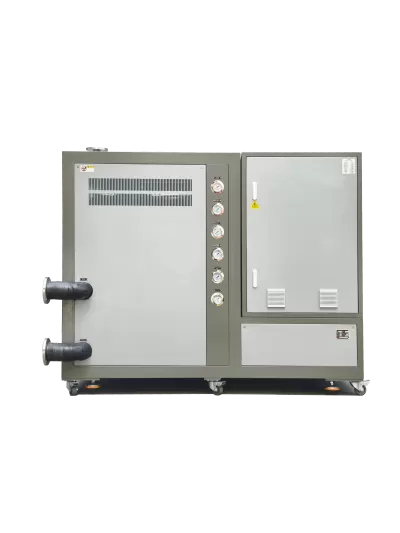
YFCHT-75-180℃ آلة درجة حرارة بخار الماء عالية الحرارة
تستخدم آلة درجة حرارة الماء بالبخار عالية الحرارة 180°C تقنية تسخين البخار وهي مناسبة لمتطلبات...
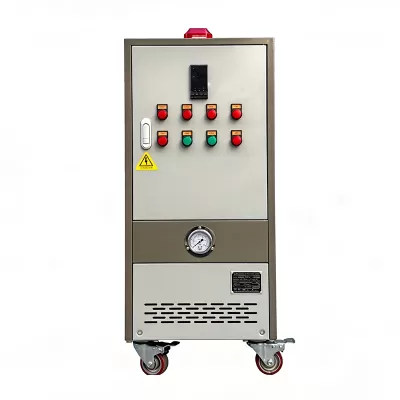
آلة قياس درجة حرارة الماء YWM-10-12T-120℃
آلة بدرجة حرارة ماء 120°C، نوع التحكم الدقيق، مناسبة للعمليات التي تتطلب استقرارًا عاليًا في...
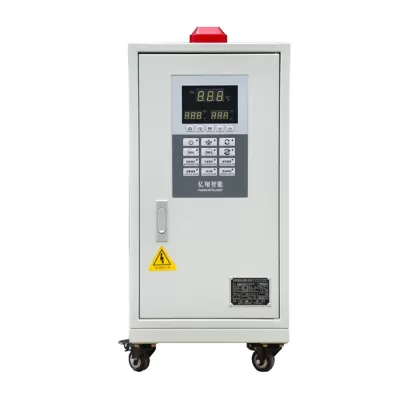
آلة قياس درجة حرارة الماء القياسية YWM-10-12-120℃
آلة درجة حرارة الماء القياسية 120°C، تستخدم تقنية تدوير الماء، تتحكم بدقة في درجة الحرارة،...